
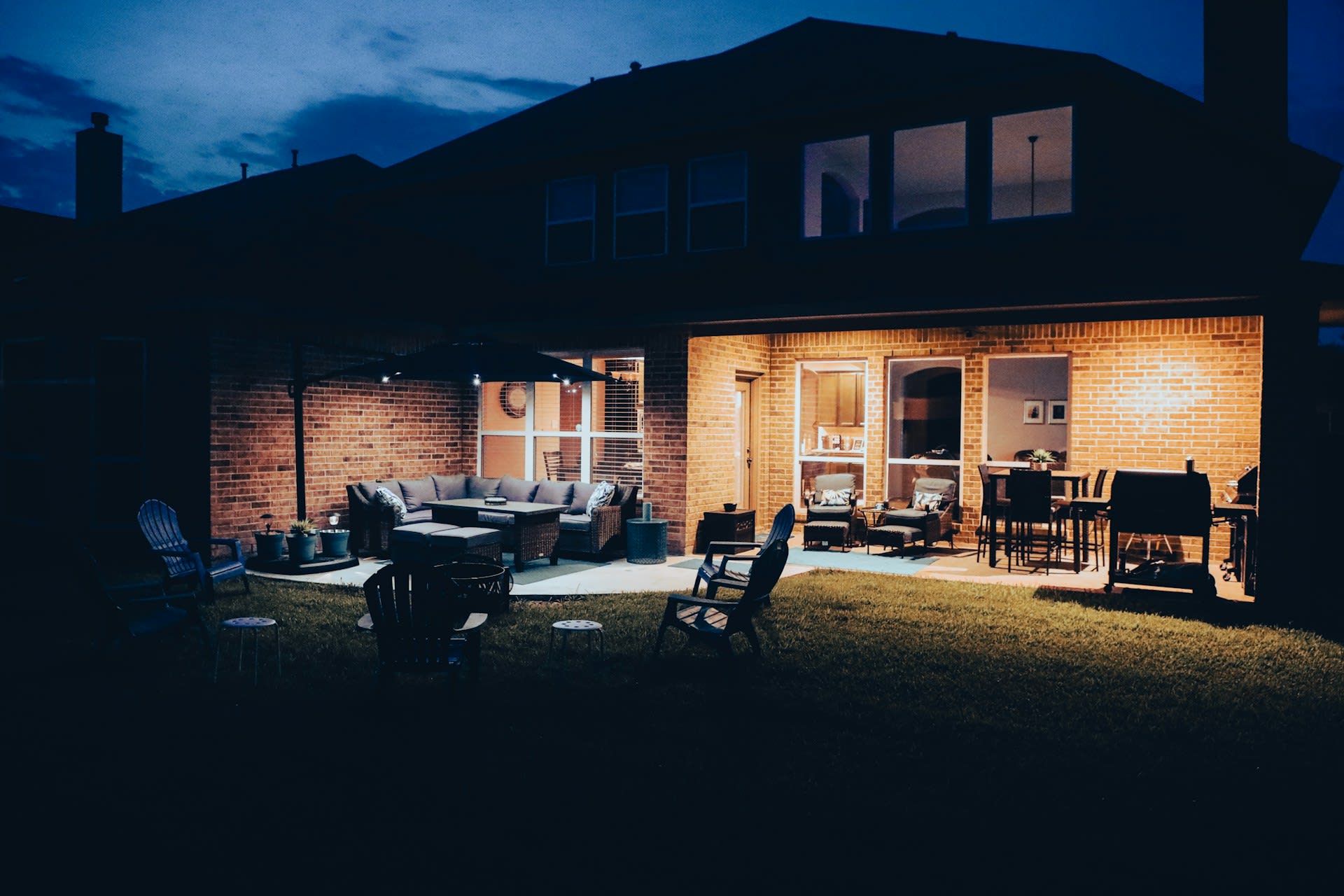
How Landscaping Lighting Design Improves Security and Beauty
December 26, 2025
Posted on December 26th, 2025
Outdoor landscape lighting is the rare home upgrade that can look great and still pull its weight. When designed right, it makes your yard feel welcoming, not like a dark maze you sprint through with your keys between your fingers.
Light can show off the good stuff like the trees, paths, and details, while also making the sketchy corners a lot less appealing to anyone with bad ideas.
Today’s options are smarter and cleaner than the old “one floodlight and a prayer” setup. Think LED and solar choices that keep the vibe sharp without running up the bill.
Keep on reading as we break down how it all works!
How Landscaping Lighting Design Improves The Beauty of Your Yard
Landscape lighting design is basically your yard’s after-hours makeover, minus the reality show drama. In daylight, most homes look fine. Once the sun drops, though, a dark yard can feel flat, or worse, a little gloomy. Thoughtful accent lighting changes that fast. It helps your best features show up on purpose, instead of disappearing into the shadows like they forgot to pay rent.
A strong lighting plan does more than “make things visible.” It shapes what people notice first, what feels cozy, and what looks polished from the street. The trick is in the placement and the intent. Lights can pull attention toward a favorite tree, give flower beds more depth, and make paths look like they belong in the scene, not like a last-minute add-on. When the glow is aimed with care, the whole yard reads as designed, not just lit.
Here are three ways landscape lighting boosts the beauty of your yard.
- 1. Highlights your best features:
A tree with a great shape, a textured stone wall, or a standout shrub can look even better at night when light hits it at the right angle. That contrast brings out form and detail that daytime light can wash out. - 2. Creates depth and mood:
A mix of softer and brighter areas adds layers, so the yard feels bigger and more interesting. The goal is a calm ambiance, not a spotlight situation that makes your lawn look like a parking lot. - 3. Defines edges and flow:
Subtle light along walkways, borders, or garden lines helps the space feel organized. It also makes everything look intentional, like the yard has a “layout” instead of just a bunch of stuff placed outside.
Of course, the fixtures matter too, not because you need the fanciest hardware, but because each type does a different job. Uplights can bring drama to trees and architecture. Downlights can feel like soft moonlight when they’re mounted and aimed well. Path lights can outline curves and corners without blasting your eyes. Used together, they add dimension and keep the look balanced.
Style counts as well. The finish and shape should match your home’s vibe, be it modern, traditional, or somewhere in between. Brightness matters, but so does restraint. Too many lumens can ruin the effect fast. Most homeowners land on LED options because they last, sip energy, and still look great. When the lighting feels consistent, your yard doesn’t just look nicer; it looks finished.
Security Benefits of Professionally Designed Landscape Lighting
Professionally designed landscape lighting does more than make your yard look good. It also sends a clear message: this place is cared for, and it’s not an easy target. Darkness gives people cover. Smart lighting takes that cover away without turning your home into a stadium.
A pro plan starts with the problem spots. Entry points, side gates, long walkways, and those corners that always feel a little too quiet after sunset. Instead of tossing up a couple of harsh floods, a designer builds a layout that improves visibility while keeping the look clean. The goal is simple: remove hiding places, make movement obvious, and keep you from walking outside like you’re in a suspense movie.
Here are four security benefits of professionally designed landscape lighting.
- 1. Cuts down hiding zones
Light placed near shrubs, fences, and side yards reduces the shadows that give intruders cover. - 2. Makes entries feel protected
Illuminated doors, garages, and gates help you spot activity fast and make the home look watched. - 3. Supports safe movement at night
Clear paths and steps lower the chance of trips, slips, and rushed phone-flashlight decisions. - 4. Adds smart control options
Timers and motion sensors can make lighting feel active, even when you are not thinking about it.
Now, the list is nice, but the real value is how it all works together. A professional design uses layers, not glare. That means some light for walking areas, some focused light near access points, and softer coverage that removes deep shadows. When the brightness is balanced, your yard stays welcoming, yet it becomes harder for someone to move around unnoticed.
Another underrated win is predictability. Lights on a schedule create routine, which makes the property feel occupied. Motion-activated fixtures add a second layer, because sudden light draws attention from you, neighbors, and anyone else nearby. It’s not magic, but it does raise the risk for bad behavior, which is the whole point.
Durability matters too. Outdoor gear deals with rain, heat, wind, and the occasional “who left the sprinkler aimed at the fixture” moment. Pros usually pick weather-rated fixtures, solid wiring, and placements that avoid glare through windows. That keeps the system reliable and reduces annoying outages that leave dark gaps.
Good lighting design is not about fear. It’s about control. You get clearer sightlines, safer routes, and a home exterior that looks intentional after dark. Plus, you can still enjoy the yard at night without feeling like you should bring a flashlight and a buddy.
Practical Outdoor Lighting Tips for Homeowners
Outdoor lighting works best when you treat your yard like a set of small spaces, not one big blob of grass and concrete. Your patio needs a softer glow so people can relax and still see their drink. Entryways and the garage need clearer light because nobody wants to fumble with keys in the dark. Once you think in zones, the whole plan gets easier, and your yard starts to feel designed instead of randomly bright.
A solid setup also uses layers. Ambient light sets the mood, task light helps you move around, and accent light adds personality. Mix those well, and your exterior feels welcoming without turning into a nighttime billboard. Control matters too. Timers, smart switches, and motion sensors keep things consistent, save energy, and stop you from playing “did I leave the lights on?” every night.
Here are some practical outdoor lighting tips for homeowners.
- - Start with zones, not fixtures
Pick the spots that need light first, then choose the hardware that fits the job. - - Use LEDs for most locations
LED bulbs last longer and use less power, so you get light without the sticker shock. - - Keep brightness under control
Aim for a comfortable glow, not a harsh blast that ruins the vibe and annoys neighbors. - - Add simple automation
A timer or sensor can handle routines so you do not have to think about it.
Sustainability is part of the win, but it does not have to feel preachy. LED options cut energy use, hold up well outdoors, and come in warmer tones that look natural. Solar lights can work in sunny areas, especially for small accents, since they skip wiring and keep installation simple. Just do not treat solar as a cure-all. Shade, winter weather, and cheap panels can turn “set it and forget it” into “why is this light sad again?”
Also pay attention to light pollution. If your fixtures spill light into the sky or straight into a neighbor’s window, the whole setup feels sloppy. Shielded fixtures and better aiming fix that fast. The best outdoor lighting looks effortless, even though it is usually the result of a few smart choices made up front.
Last thing, style matters, but function wins first. String lights can make a patio feel friendly, sconces can make a front door look finished, and path lights can help direct the eye. When each fixture has a clear purpose, your yard feels comfortable, looks sharp, and stays useful long after sunset.
Upgrade Your Outdoor Space With Custom Landscaping Lighting Designs From EAS Lawncare
Great landscape lighting does two jobs at once: it makes your yard look sharp and helps your home feel more secure after sunset. The right plan adds depth, highlights your best features, and removes the dark pockets that make outdoor spaces feel uneasy. Keep it balanced, and your property looks intentional, not overlit.
If you want results that look clean and work the way they should, EAS Lawncare handles the full scope, from design to long-term support. Get a setup that fits your home, your layout, and how you actually use the space, not a cookie-cutter grid of lights.
Upgrade your outdoor space with custom landscaping lighting. Reach out to EAS Lawncare for expert lighting design, installation, and repair services.
Questions, or ready to start? Call (214) 497-4136 or email serranoelmer@aol.com and get your outdoor lighting handled the right way.